







Search Results for: Coffee Bean Differences

Comprehensive Comparison of Mandheling Coffee and Blue Mountain Coffee: Analysis of Origin, Processing Methods, Green Bean Characteristics, and Pour-Over Flavor Differences
Mandheling and Blue Mountain are often regarded as the two great representatives of full-bodied coffee, but their styles diverge sharply—the former is intense and aromatic, the latter balanced and sweet. From the perspective of Front Street Coffee, this article systematically sorts out the specific differences between Jamaican Blue Mountain and Indonesian Golden Mandheling in terms of geographical terroir, processing methods, green bean appearance, and cupping flavors. Blue Mountain comes from the high-altitude volcanic soil of a Caribbean island and uses the washed process; Golden Mandheling comes from Sumatra, where the wet-hulled method gives it its unique character. The article also includes Front Street Coffee's pour-over comparison parameters and flavor notes to help coffee enthusiasts more clearly understand the essential differences between these two classic coffees. [more…]
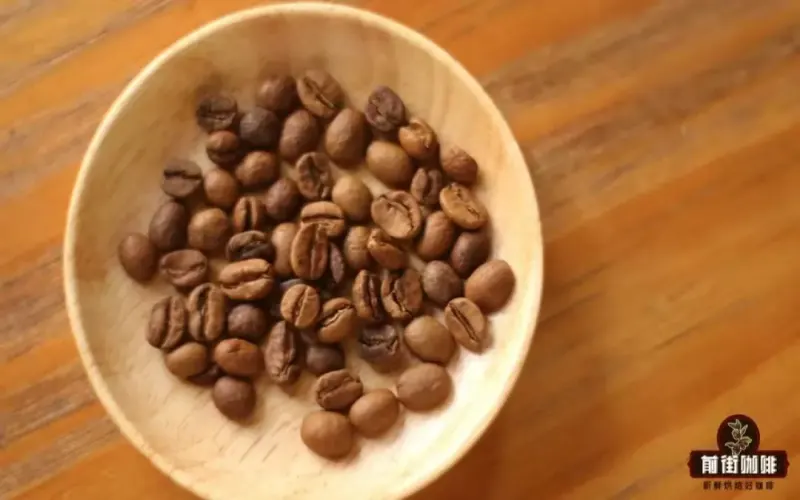
Where does the color variation in coffee beans come from? Why do honey processing and anaerobic processing cause uneven shades on the bean surface?
Coffee enthusiasts often notice that the coffee beans they buy vary in color from light to dark, and suspect a roasting problem. In fact, in most cases the color variation is not a roasting accident—it may actually mean the beans can brew into a richer, more layered cup. As an agricultural product, coffee beans can never be as uniform as an industrial product. This article starts from the common questions received by Front Street Coffee's customer service to explain how factors such as the uneven size of Ethiopian beans, residual pectin sugars in honey processing, and anaerobic processing cause color variation in coffee beans—and why this variation is sometimes a plus for flavor. [more…]

Iced Pour-Over Coffee Bean Selection Guide: Flavor Differences Between Hot and Iced Brewing and Front Street Coffee's Recommended Bean List
In the heat of summer, iced pour-over coffee becomes the top choice for many coffee lovers. But not all coffee beans are suitable for iced brewing, and there are clear differences in flavor and mouthfeel between hot pour-over and iced pour-over. Starting from Front Street Coffee's actual brewing methods, this article compares in detail the differences between iced pour-over and hot pour-over in grind size, coffee-to-water ratio, water temperature, and pouring technique, and uses three beans—Front Street Ethiopia Huakui, Brazil Queen's Estate Yellow Bourbon, and Indonesia Golden Mandheling—for flavor comparisons. It also sorts out the types of coffee beans suitable and unsuitable for making iced pour-over, and recommends standout beans such as Front Street Ethiopia TOH Washed Champion Bean Huaxu, Front Street Strawberry Candy, Front Street Blackberry, Front Street Colombia Sidra, and Front Street Big Belly, helping you choose the right beans in summer and make a clean, refreshing cup of good coffee. [more…]

A Detailed Explanation of the Differences Between Kenya AA and AB Grades: Raw vs. Roasted Bean Differences and Front Street Coffee Brewing Guide
Kenyan coffee is world-renowned for its bright acidity and rich fruity flavors, and AA and AB, as the two most common grades, what exactly is the difference between them? This article will start from the perspective of Front Street Coffee and systematically sort out Kenya's coffee grading system—including the specific classification criteria for eight grades such as AA, AB, PB, and E—and further explain the differences between green beans and roasted beans, as well as the factors affecting coffee bean prices. At the same time, we will also share the hot pour-over and iced pour-over practical parameters for Front Street Kenya Asalia and AA TOP, helping you better understand this high-quality coffee from the Thika producing region. [more…]
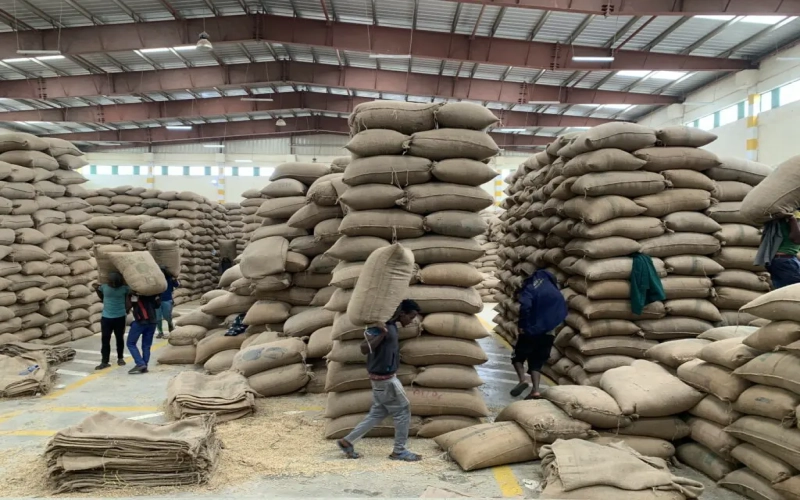
Detailed Explanation of Ethiopian Sidamo Coffee Bean Grading: Classification Standards and Differences Between G1 and G2 Grades
As an agricultural product, coffee beans' quality is influenced by many factors, so a grading system is needed to standardize quality and provide a purchasing reference for green bean buyers. Grading standards vary across producing regions: some are based on altitude, others on bean size, while Ethiopia uses a combination of defect rate and cupping. This article will provide an in-depth analysis of the meaning of the G1 and G2 grades for Ethiopian Sidamo coffee beans, explore the evolution of its grading system, and, through a comparison of Yirgacheffe G1 and G2—from appearance and roasting to cupping flavor—reveal the practical impact of grade differences on coffee quality. At the same time, Front Street Coffee's brewing recommendations will also provide you with useful reference. [more…]
A Detailed Explanation of the Ethiopian Coffee Bean Grading System: Standard Differences and Flavor Comparison Between Yirgacheffe G1 and G2
As the birthplace of coffee, Ethiopia's grading system directly affects the quality and flavor expression of coffee beans. The Yirgacheffe region is world-renowned, but what exactly is the difference between the commonly seen Front Street Yirgacheffe G1 and G2 coffee beans on the market? Behind this lies the evolution of Ethiopia's coffee grading system. From CLU to ECX, from simple defect counting to a comprehensive score combining physical characteristics and cupping flavor, the grading standards have undergone major changes. This article will systematically review the historical development and specific standards of Ethiopian coffee grading, compare the grading differences between washed and natural processing, and through three dimensions—green bean appearance, roasted bean appearance, and cupping flavor—deeply analyze the actual differences between Front Street Yirgacheffe G1 and G2, helping coffee enthusiasts understand the quality implications behind the grade numbers. [more…]
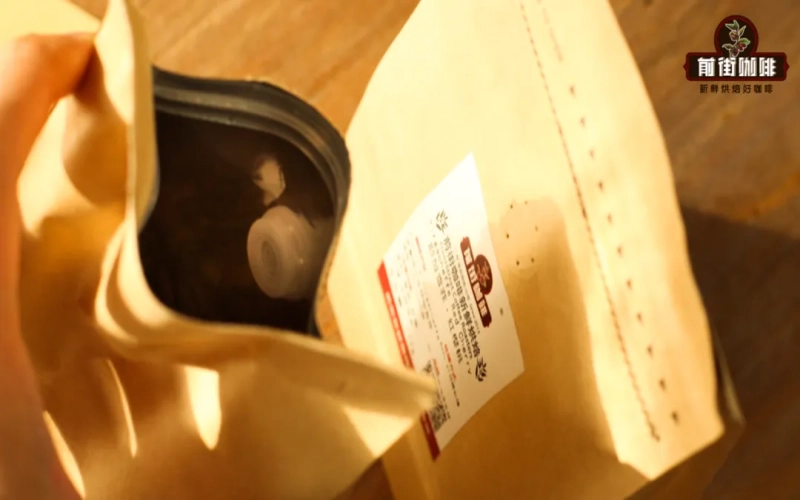
What is the purpose of the one-way degassing valve on a coffee bag? A detailed explanation of material differences and the anti-burst principle
That inconspicuous little hole on a coffee bean bag is actually an ingenious one-way degassing valve. Many people assume it exists simply so we can smell the coffee's aroma, but the truth goes far beyond that—its core mission is to prevent the coffee bean bag from bursting due to excessive internal pressure. This article starts with the "one-way street for cars" analogy commonly used by Front Street Coffee to explain in detail the patterns of carbon dioxide release from coffee beans after roasting, the differences in degassing volume under different roast levels, and why they should be sealed and stored as soon as possible to slow down oxidation. At the same time, it will also walk you through the differences between common materials used for coffee bean bags, helping you understand the science behind coffee packaging more comprehensively. [more…]
Analysis of Ethiopian Coffee Bean Quality Characteristics: Flavor Differences Between Washed and Natural Yirgacheffe
Ethiopia, with its exceptional natural conditions, has become a coffee origin that cannot be overlooked on the global coffee map. This article begins with the growing environment—altitude, soil, climate, and more—to systematically outline the quality characteristics of Ethiopian coffee beans, then focuses on the Yirgacheffe region to compare the flavor differences brought about by washed and natural processing methods. At the same time, the article retains a brief introduction from Front Street Coffee on Ethiopia's coffee rankings and the distinctions between processing methods, offering coffee enthusiasts a reference guide that is both professional and highly readable. [more…]

Which coffee varieties are suitable for the washed processing method? A comprehensive analysis of green bean processing methods and flavor differences
Coffee beans are not naturally the dark brown beans we know; rather, they are encased in fruit that resembles red dates. From harvesting, processing, and roasting to brewing, every step subtly influences the final flavor, and among these, the "processing method" is the primary key that determines the direction of coffee flavor. Washed and natural are currently the two most common methods of green bean processing; the former relies on sun exposure, while the latter requires ample water and fermentation tanks. This article takes Front Street Yirgacheffe as an example to compare in detail the specific differences between washed and natural coffee beans in dry aroma, mouthfeel, and pour-over parameters, helping coffee enthusiasts understand the characteristics and suitable scenarios of the washed processing method. [more…]
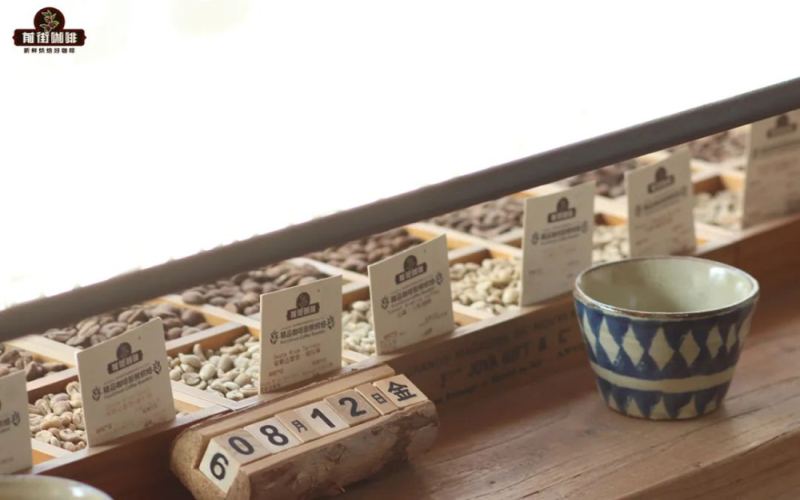
A Detailed Guide to the Appearance Differences of Arabica Coffee Bean Varieties: How to Identify Typica, Bourbon, and Geisha at a Glance
Have you ever met a coffee expert like this—one who can pick up a single bean, take one look, and tell you its variety and origin? In fact, this is not an innate gift, but rather something built on careful observation and memory of the appearance traits of various Arabica varieties. Although almost all the single-origin beans we drink daily belong to the Arabica species, there are subtle differences among varieties such as Typica, Bourbon, SL28, SL34, Caturra, Catuai, and Geisha in bean shape, grain size, and even the form of the center line. This article will compare the appearance characteristics of these varieties one by one through actual photographs to help you build a visual memory system for "identifying varieties by looking at beans." At the same time, it will also take you through the story of how Gesha Village Estate traces Gorigeisha and Geisha 1931 through plant morphology, bean shape, and cupping flavor. [more…]

Why Is Cold Brew Priced Higher Than Americano? Analyzing the Differences Between the Two from Extraction Methods to Coffee Bean Selection
Among various types of black coffee, cold brew is often priced the highest, creating a stark contrast with the affordable Americano. This price difference is no accident—it stems from fundamental differences in extraction methods and the coffee beans used. Americano is based on espresso, simply diluted with water, making it flexible and quick to prepare; cold brew, on the other hand, encompasses various forms such as ice drip and cold steep, requiring long, slow extraction with ice water, which comes at a higher time cost. More crucially, Americano typically relies on dark-roasted commercial blend beans to accommodate milk coffee offerings, while cold brew often uses specialty beans with traceable flavors, which demand higher cultivation and processing standards, with costs accumulating layer by layer. This article will analyze the sources of the price difference between cold brew and Americano from three dimensions—water temperature, time, and beans—and share Front Street Coffee's bean selection recommendations for cold brew. [more…]

Is Catimor Coffee Bean Considered Arabica? Flavor Differences and Taste Comparison with Typica
Catimor and Typica are both members of the Arabica family, yet due to differences in genetic origin, growing altitude, and processing methods, they present completely different flavor profiles. Catimor carries Robusta lineage, has strong resistance to leaf rust and high yield; at low altitudes it often shows bitterness and herbal notes, while at high altitudes it can express plum-like acidity and caramel sweetness. Typica, as the oldest Arabica variety, is known for its cleanliness and sweetness, and the fame of Blue Mountain and Kona both stems from it. This article will start from the variety origins, the influence of altitude, and the current state of cultivation in Yunnan, sort out the taste differences between the two, and introduce the specific flavor performance and brewing suggestions of Front Street Coffee Yunnan Catimor and Front Street Coffee 2013 Typica. [more…]

Analysis of the Differences Between Washed and Natural Yirgacheffe Processing and a Guide to Single-Origin Pour-Over Parameters
Yirgacheffe, as a star-producing region in Ethiopia, sees different green bean processing methods bring about completely different flavor profiles. The washed method highlights clean, bright floral notes and citrus acidity, while the natural method presents fuller sweetness and fermented fruity aromas. Starting from Front Street Yirgacheffe, this article separately outlines the processing procedures for washed and natural methods, the differences in green bean appearance, and includes brewing parameters for single-origin coffee, helping coffee enthusiasts make a choice based on taste preferences. Whether you are a beginner afraid of bitterness or a veteran pursuing complex layers, you can find a cup that suits you. [more…]
Analyzing the Differences Between Peaberry and Flat Beans: How to Tell Male and Female Beans Apart, the Meaning of Peaberry, and a Flavor Comparison
Have you ever heard of the "gender secrets" hidden inside coffee beans? The so-called male and female beans are simply the folk names for Peaberry and Flat Beans. Peaberry is a special form in which the coffee fruit fails to split normally into two halves and produces only a single oval seed, accounting for about 5% of the total yield. This article will systematically sort out the differences between Peaberry and Flat Beans, from their causes, appearance identification, and flavor performance to market rarity. It will also explain why it has been given the name "dream coffee," and include a recommendation from Front Street Coffee to help you understand the tricks behind this tiny bean. [more…]
Espresso vs. Blue Mountain Coffee: A Comprehensive Comparison of Flavor Differences from Brewing Methods to Bean Selection
Coffee enthusiasts often ask: what exactly is the difference between espresso and Blue Mountain coffee? Which one tastes better? In reality, these two belong to completely different conceptual categories—the former is a high-pressure rapid extraction method originating from Italy, while the latter is a premium coffee bean variety produced in the Blue Mountain region of Jamaica. This article will provide a detailed comparison from the perspectives of brewing principles, flavor characteristics, and identification points, helping readers clarify the essential differences between espresso and Blue Mountain coffee. It will also introduce the unique features of Front Street Blue Mountain No. 1 coffee beans, and why making espresso with Blue Mountain beans becomes an interesting hypothesis. Whether you are a beginner just getting into coffee or an enthusiast hoping to deepen your coffee knowledge, you will gain a clear understanding from this. [more…]

Panama Geisha Coffee Bean Flavor Analysis: Hacienda La Esmeralda Origins, Regional Growing Differences, and Front Street Coffee Roasting Recommendations
Geisha coffee beans are renowned worldwide for their delicate floral aroma and tropical fruit notes, and Hacienda La Esmeralda in Panama is precisely the key force that propelled it to the pinnacle. This article begins with the appearance and aroma characteristics of Front Street Geisha coffee beans' green beans, then gradually sorts through the origin story of this bean, the variety's spread and history, and the flavor differences presented after cultivation in different regions. At the same time, the article will also explore roasting approaches and brewing methods suitable for Geisha, helping coffee enthusiasts gain a more comprehensive understanding of the unique charm of this star variety. [more…]
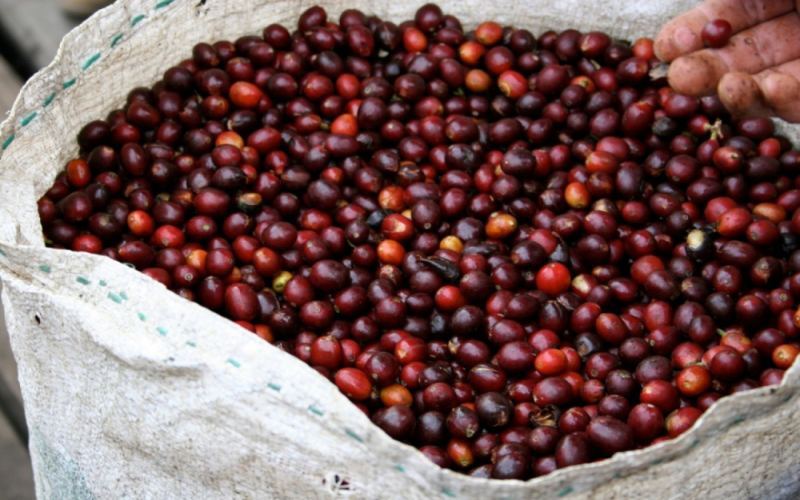
A Comprehensive Comparison of Robusta and Arabica Coffee Beans: Variety Origins, Growing Conditions, Flavor Differences, and Uses Explained
When buying coffee beans in a café, we almost always see only Arabica, while Robusta rarely makes an appearance. Both belong to the coffee family, so what are their essential differences? In this article, Front Street Coffee will systematically sort out the differences between Robusta and Arabica coffee beans across multiple dimensions, including variety origin, plant characteristics, growing environment, caffeine content, disease resistance, flavor performance, and practical uses. Whether you are a coffee enthusiast just getting started or a seasoned player hoping to gain a deeper understanding of the essence of coffee beans, this comparison can help you build a clearer cognitive framework and understand why the specialty coffee world is almost entirely occupied by Arabica, and in which fields Robusta plays an irreplaceable role. [more…]
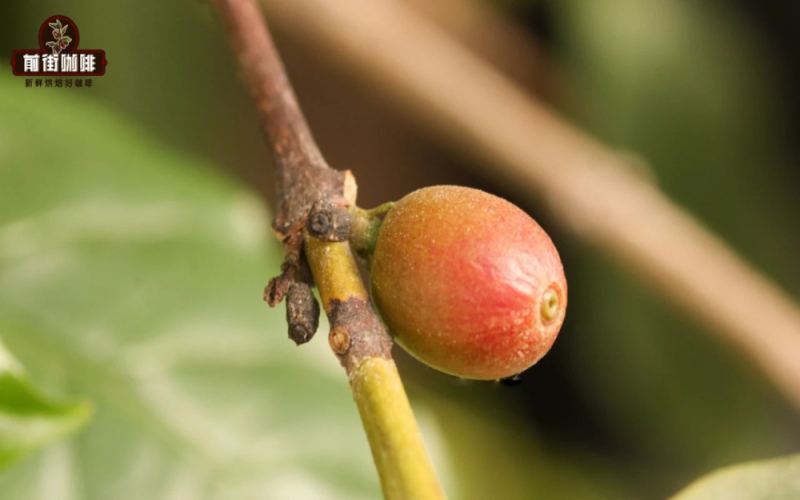
How Coffee Bean Processing Methods Shape Flavor Differences: A Comprehensive Comparison of Washed and Natural Processing
Are coffee beans actually the fruit of the coffee tree? Can they be roasted directly after picking? These questions puzzle many people who are just getting into coffee. In fact, coffee beans are the seeds of the coffee fruit, and they need to go through a series of green bean processing methods to reveal different flavors. Washed and natural, as two mainstream processing methods, show significant differences in workflow, drying time, appearance characteristics, and final cupping performance. Through extensive cupping, Front Street Coffee has found that washed coffee has bright acidity and high cleanliness, while natural coffee has more complex berry notes and higher sweetness. This article will systematically explain the principles and flavor characteristics of these two processing methods to help coffee lovers gain a deeper understanding of the decisive influence of processing methods on coffee flavor. [more…]
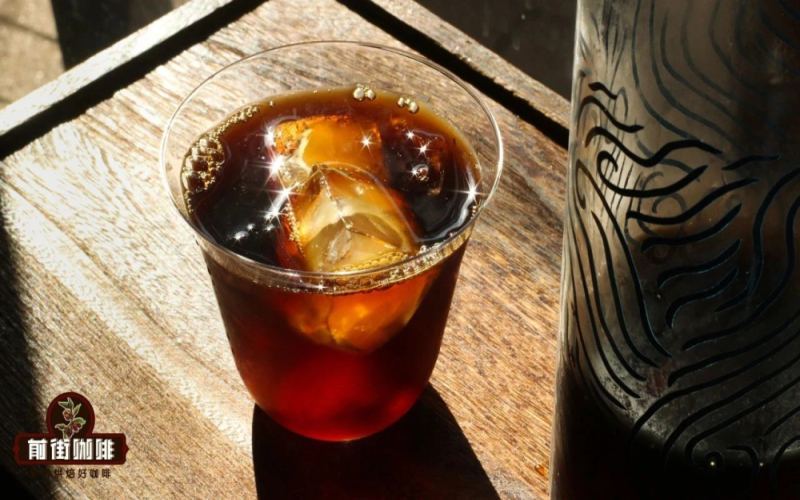
Why Do the Same Beans Taste So Different? A Deep Dive into the Extraction Differences Between Cold Brew and Pour-Over Coffee
Many coffee enthusiasts at Front Street stores order both a cold brew and an iced pour-over made from the same beans, yet are often surprised by the huge gap in flavor between the two after drinking them. Why does the same coffee bean produce such an obvious difference in the resulting cup? This article will systematically sort out the core differences in brewing principles between cold brew and pour-over from multiple dimensions such as extraction water temperature, extraction method, and concentration differences, and combine a comparative experiment conducted by Front Street using Huakui 8.0 to help you understand the taste expressions brought by low-temperature slow extraction and high-temperature fast extraction, as well as the scientific logic behind these differences. [more…]
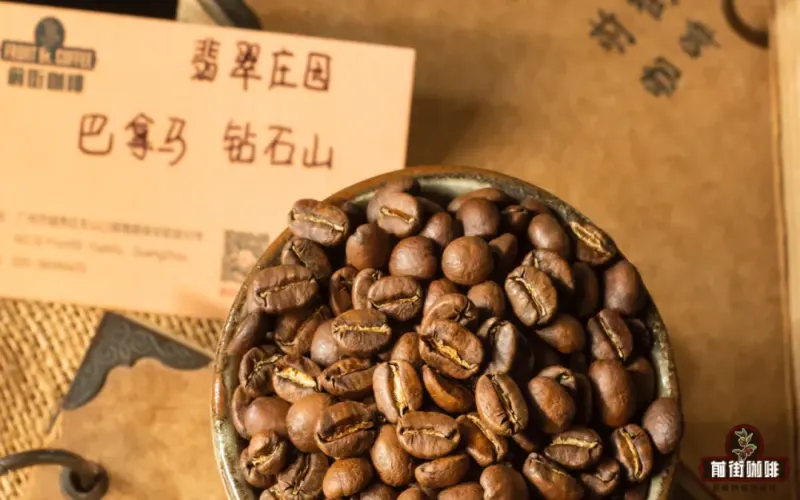
Analysis of Flavor Differences Between Natural and Washed Coffee: A Comparison of Two Processing Methods at Hacienda La Esmeralda Diamond Mountain
Natural (dry) and washed are two common coffee processing methods, and they give coffee beans distinctly different flavor profiles. Using Front Street Coffee's Hacienda La Esmeralda Diamond Mountain as an example, this article examines the processing flow, drying time, fermentation degree, and other angles to compare in detail the differences between natural and washed coffee in aroma, acidity, and mouthfeel, and explains the root causes of these differences. Whether you prefer the richly layered natural or the clean and fresh washed, this article will help you understand the essential differences between the two more clearly and find your own cup of good coffee. [more…]